Julius Nyerere International Airport (DAR) Travel Guide | Car Rental Tanzania
Julius Nyerere International Airport, often called JNIA or simply “DAR,” is perfectly situated on Nyerere Road to the southwest of central Dar es Salaam. You reach the CBD in about 30 to 60 minutes depending on traffic and rain. The airport serves domestic and international flights and operates three terminals that handle different flows through the day. Expect warm air when you step outside, friendly staff, and a rhythm that speeds up and slows down with each wave of flights.
International departures and arrivals use Terminal 3, the newest facility with glass fronted halls and modern counters. Terminal 2 handles many domestic flights while terminal 1 supports general aviation and some regional operations. Transfer paths sit close together, yet you still need to leave time for security and the drive between terminals. Signs appear in English and Swahili. Staff quickly point you in the right direction if you ask. A simple “habari, naomba usaidizi” opens doors.
You pass through immigration, baggage claim, and customs in a sequence that feels familiar if you have flown through regional hubs. The arrival hall has ATMs, currency exchange, mobile network counters, and transport desks. Outside, the pickup lanes can feel busy at peak hour. Patience, a fixed meeting point, and short messages keep things calm. Dar’s weather can change quickly, so plan routes with a small buffer in case of rain.
Location and how to get into the city
JNIA sits a straightforward drive from central Dar es Salaam along Nyerere Road. During quiet hours, the city feels near. During school windows, market peaks, or rain, the same stretch can take much longer.
If you plan meetings in the CBD, Kivukoni, Upanga, Kisutu, Masaki, or Oyster Bay, give yourself margin. For Mikocheni, Mbezi, or the University area, the northern roads may add time. If you head south toward Mbagala or the industrial belt, the route stays shorter but watch for truck lanes and busy junctions.
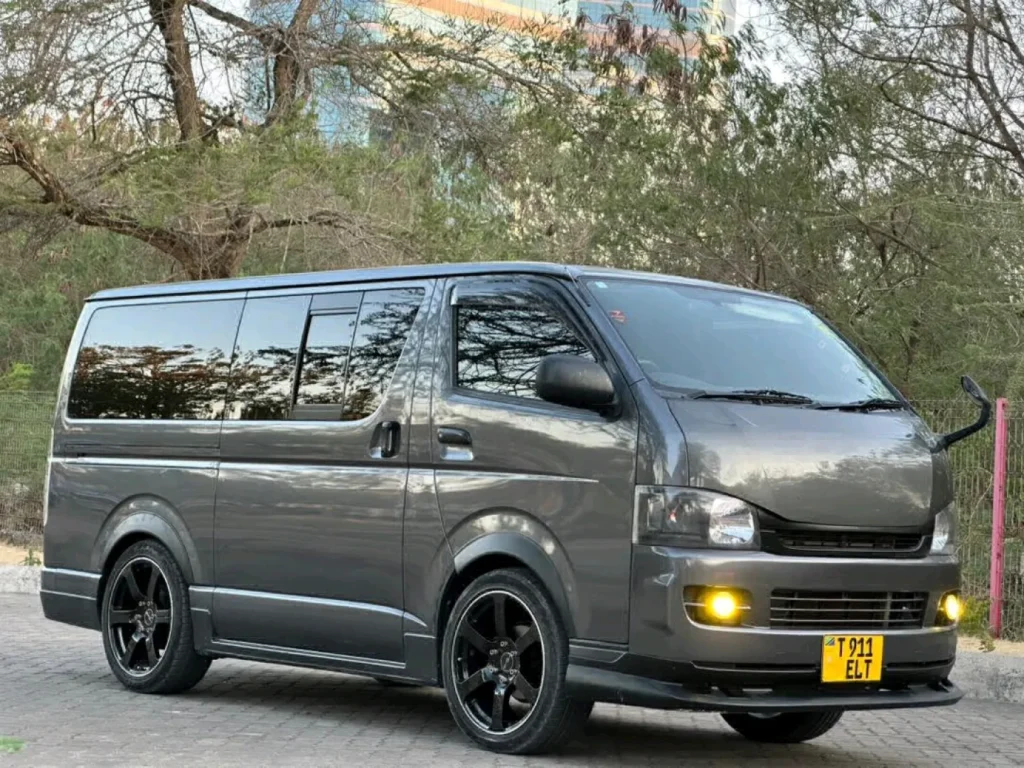
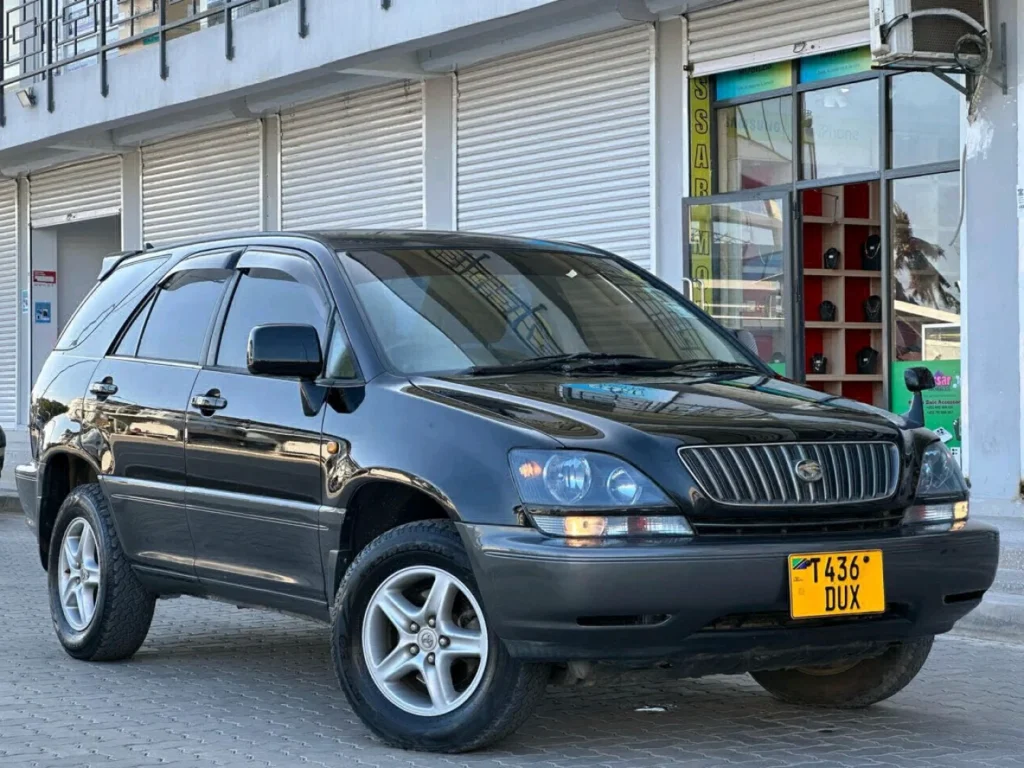
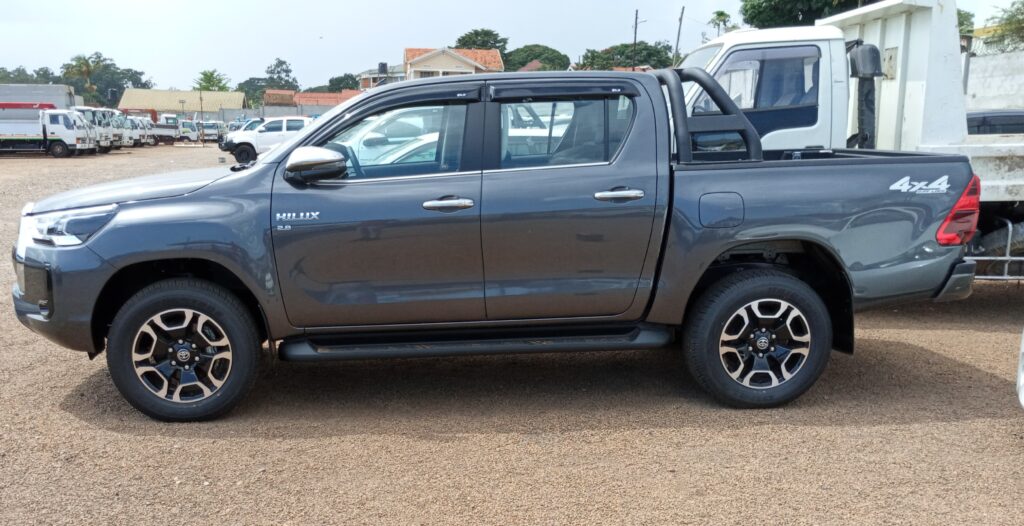
You will see three common transport options. Private transfer services meet you with a name board at the exit. Taxis line up at designated bays. Rideshare apps operate in Dar, though pickup points can shift during works.
If you arrive late, choose a prearranged pickup so you avoid learning new lanes at night. In Swahili we say pole pole when we want a steady pace. That mindset works well from airport to hotel.
Terminals, facilities, and services
Terminals
Terminal 3 handles most international carriers and offers wide check in halls, clear security lines, and multiple gates. Terminal 2 serves many domestic routes, including popular links to Zanzibar, Kilimanjaro, Arusha, Mbeya, and Mwanza. Walking between T2 and T3 takes time, and vehicles often provide the link, so plan transfers with care.
Money and mobile
Arrival halls feature ATMs and currency exchange counters that keep typical airport hours. Cards work widely in the city, but cash helps with small payments. Major mobile networks sell SIM cards at staffed counters. Bring your passport for SIM registration, then load data and airtime on the spot. Network coverage around Dar is strong, with occasional slowdowns during storms or power cuts.
Food, prayer rooms, and lounges
You find cafes and quick food inside and outside security. Prayer rooms sit in the main terminal footprint. Lounges serve international departures and select domestic passengers. If you carry a priority lounge card, check accepted programs at the entrance. Most lounges offer Wi-Fi, light meals, and quiet space.
Accessibility
Terminals include ramps, lifts, and accessible restrooms. Wheelchair assistance starts at the curb or check in desk when requested in advance. If you travel with elders, plan patient boarding and drop off at the closest allowed point. A small portable step can help at some vehicle doors.
Arrival process tips
Keep your passport, visa paperwork, and arrival details together in a single wallet. When you reach immigration, present documents in the order requested. If you applied for eVisa, carry a printed copy of your approval. If you will obtain a visa on arrival, head to the correct counter before joining the immigration line. Baggage reclaim sits just beyond. Trolleys move fast in peak waves, so hold your ground near the belt.
Customs checks focus on declared items. If you carry drones, professional cameras, or large samples, prepare a clear explanation and documents that prove personal or temporary use. Keep medication in original packaging with prescriptions. When you exit, expect a busy hall. Choose a visible landmark, such as a numbered door or a specific pillar, as your meeting point. Short messages like “at exit B, blue sign above” help everyone find each other.
Departure process tips
Airlines open check in a few hours before departure. Dar’s traffic can surprise first timers, so start early. Keep luggage within weight limits and use sturdy tags. Security screening asks you to place electronics in separate trays. Empty water bottles and refill on the airside side where possible. If you travel with children, pack a small snack and a simple game for queues. If you observe prayer times, confirm the prayer room location after security so you do not rush before boarding.
Money, connectivity, and practical details
Carry small denominations of Tanzanian shillings for short parking, porters, or snacks. ATMs in the hall work most of the day. If one machine shows a fault, the next often works. Buy a local SIM for fair data rates and easy maps.
There are several public Wi-Fi exists in selected areas, and lounges usually provide faster connections. Keep power banks in carry on and use available charging points to top up phones before you leave.
Safety and local etiquette
JNIA uses visible security, cameras, and controlled lanes. Keep bags zipped, phones away when crossing busy curbs, and receipts handy. If anyone offers unsolicited help, a simple “asante, nimeshapatikana” closes the conversation politely. In traffic, seat belts for all, calm speeds through village zones, and patience at humps protect everyone. When rain falls, shoulders become slick, so accept slower progress. Good habits reduce stress and keep the day on time.
Nearby places and short layover ideas
If you have a half day before a night flight, you can see a slice of Dar without pushing the clock. The National Museum and House of Culture gives a quick overview of Tanzania’s story. Kivukoni Fish Market offers a lively morning scene. Coco Beach provides sea air in late afternoon. Slipway on the Msasani Peninsula brings ocean views and calm restaurants. Traffic dictates what is practical, so ask about current conditions before committing. For longer breaks, plan a hotel day room near Masaki or the CBD.
Smart timing for seasons and weather
Dar’s coastal climate brings heat and humidity. Light clothing, a small water bottle, and a compact umbrella help year round.
Long rains fall around March to May, and short rains around October to December, though exact weeks shift. Showers can slow roads and queue movements. Build a buffer when connecting domestic flights from Zanzibar, Kilimanjaro, or Mwanza to same day international departures.