Tanzania Traffic Police Fines: What You Need To Know | Car Rental Tanzania
Traffic fines in Tanzania now run through an electronic system. Officers issue a notification of offence, your details enter a central database, and a control number links the fine to the Government Electronic Payments Gateway, known as GePG. You then pay by mobile money, bank, or the GePG portal and receive an electronic receipt. The goal is simple, fewer disputes at the roadside and a clear trail of payments.
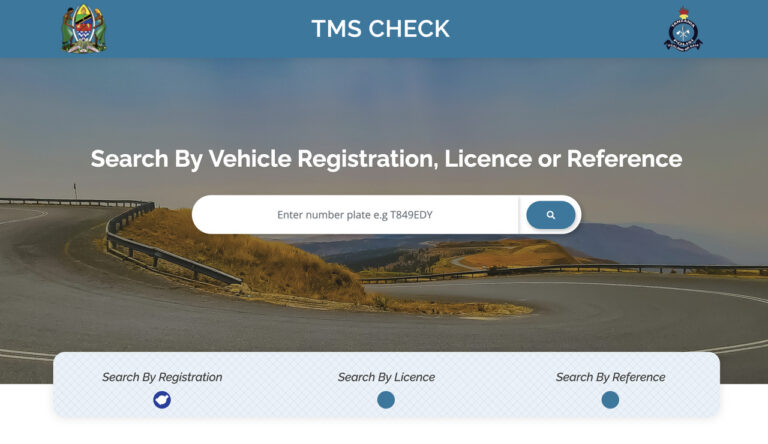
You can check open fines online and make your payments without hassle. The Tanzania Police Traffic Management System shows outstanding offences tied to your plate or licence. The page returns items like offence type and the control number you need for payment. This helps if you misplace a paper ticket, or if you manage several vehicles and want a quick status before a trip.
Fine amounts and offence lists flow from the Road Traffic Act and related regulations. Penalties differ by offence, and courts remain available when a case moves beyond the on-spot notification stage. Treat the ticket as an official notice, then use the proper channel to resolve it.
Where fines come from and what the officer records
A traffic officer can issue a notification for offences such as speeding, dangerous overtaking, mobile phone use while driving, seat belts not in use, red light violations, or unroadworthy vehicles. For public service vehicles, separate rules cover speed limits and signage. Each notice records the vehicle, driver details, place, time, and offence. Your copy carries the control number or enough data to retrieve it online.
If you believe the presented information is wrong, stay calm, accept the notice, and follow the dispute route off the road. The Notification of Offences Regulations make clear that penalties collected under notification form part of government revenue, so payment must pass through official channels, not cash at the window.
How to check if you have a fine
Open the Traffic Management System and choose plate number or driver’s licence search. Enter details carefully. View offences and note the control number.
If data is slow, a USSD short code option exists on Tanzanian guides. Dial the code, select Traffic Fine, and enter your plate. Treat this as a quick check when internet is patchy.
If nothing appears but you received a paper ticket, wait a short while and recheck. Some payments and uploads take time to sync. Community reports mention short delays between issue and payment availability.
How to pay a traffic fine
GePG is the single payment gateway for government bills making it easier for you to settle all government bills. You pay using the control number on your ticket. Options include the GePG web page, mobile money menus, bank apps, and over the counter at participating banks. The portal fetches the bill by control number and confirms the amount before you approve. Keep the receipt or SMS as proof.
GePG supports exact amounts, partial, or full, depending on how the bill is configured. Most traffic penalties require exact payment, yet the gateway itself supports all three types. If your attempt fails, verify the control number and amount, then try again or use a different channel.
What your payment should look like
After payment, you receive an electronic confirmation. On the portal, you can fetch the bill again to see settled status. On mobile money, keep the confirmation SMS. If an officer later asks, present the message and, if possible, a screenshot from GePG. Paying outside the system risks untracked money and more stress later, so tafadhali tumia control number.
Helpful timing and travel tips
Plan to resolve fines early, especially before long routes or gate days. A five minute check on the police TMS prevents surprises at weighbridges, park gates, or urban checkpoints. When you drive a new-to-you vehicle, verify insurance on the regulator’s MIS and confirm the logbook details match the plate and chassis. These habits keep your journey calm and on time.
If you drive a bus, taxi, or tour vehicle, remember public service vehicle rules include speed limit signage and stricter expectations. The 80 km/h requirement and rear sign apply to PSVs, and enforcement checks the sign as well as behaviour.
Top 8 Tanzania Traffic Fine FAQs
What happens at the roadside when I am stopped for an offence?
An officer identifies themselves, explains the alleged offence, and issues a notification. Your details and the vehicle plate enter the system. You do not pay cash on the spot. You receive a paper with the control number or enough data to retrieve it online. Keep the paper safe, take a photo, and move off when cleared to do so.
If you disagree, do not argue in traffic. Accept the paper and resolve it through the formal route. The law allows prosecution in court for offences instead of or beyond on-spot penalties. Save your points for an environment where records and evidence are reviewed, not the roadside.
How do I confirm a fine is genuine before I pay?
Use the Traffic Management System site to search by plate or licence. A genuine item appears with an offence description and a control number. Cross check time and location if shown. If the entry does not match your situation, contact traffic offices with your documentation before paying.
Do not use unofficial links shared on random forums. Genuine payment goes through GePG. The gateway fetches the bill and shows the same amount tied to your control number. If a channel asks for payment without a control number, walk away.
Which payment channels work best for traffic fines?
GePG supports multiple channels. Many drivers use mobile money menus to enter the control number and pay from a wallet. Others prefer the GePG web page or a bank app. Choose what you trust and what you can prove later with a receipt or SMS. The key is accuracy when entering the number.
If you get a “bill not found” message right after a ticket is issued, wait a short period and try again. Sync delays occur. If the problem persists, visit the nearest traffic office with the paper notice and ask them to confirm the entry. Community threads report resolution once the record updates.
Can I pay a fine in instalments?
GePG supports partial payments in general, but whether a specific traffic fine allows it depends on how that bill was configured. The safe assumption is exact payment. If you see a partial option in your channel and the system accepts it, keep all receipts and verify the remaining balance before driving.
When in doubt, ask the issuing station for guidance. Remember that penalties collected under notification go to government revenue. Paying outside the configured method can leave the case open.
What if I believe the officer made a mistake?
You can dispute. Start by gathering your evidence, photos, GPS logs, or witness details. Visit the traffic office named on the notice to request a review or instructions for court. If the case goes to court, prepare to explain calmly and present documents. The Road Traffic Act provides for offences, penalties, and court processes when matters are contested.
Tanzania Revenue Authority
Keep timelines in mind. Do not let a ticket lapse while you prepare. If you resolve in your favour, ensure the system reflects the outcome so you are not flagged on future checks. Bring copies of the court order or official letter to the station that entered the offence.
What are common offences and how can I avoid them?
Frequent items include speed violations, unsafe overtaking, seat belt non-use, mobile phone use while driving, defective lights, expired road licence, and unapproved vehicle modifications. For PSVs, speed limit signage and loading rules attract checks. Plan your day, use seat belts for all, and keep documents current.
In towns, slow for school zones and obey traffic lights. On highways, set a steady pace and avoid risky passes. During rains, give yourself more distance. Calm inputs protect people and wallets. The best fine is the one you never get.
How do I prove I have paid if an officer cannot see it yet?
Show the GePG receipt or the mobile money SMS with the control number, amount, date, and time. If coverage allows, open the GePG portal and fetch the bill to display settled status. Keep screenshots in your gallery for offline proof. Officers recognise these records because all payments flow to the same gateway.
If a system refresh lags, note the officer’s name and station and proceed as instructed. Later, verify that your payment closed the case in the police TMS and keep a screenshot in your file. These small records reduce repeat explanations.
How do I check my status before a long trip or border day?
Run your plate or licence through the Traffic Management System the evening before. Resolve any items using the control numbers you see. Carry printed or saved receipts. If you operate a fleet, keep a simple folder by month with screenshots and GePG receipts for each unit. This habit turns roadblocks into quick greetings.
For PSVs or cross-regional routes, inspect lights, tyres, and safety items. Confirm your insurance is valid through the regulator’s MIS and keep that screenshot ready. A calm file earns a calm journey.
Conclusion
Tanzania’s traffic fines system is straightforward when you follow the steps. An officer issues a notification, the record appears in the police TMS, and you pay through GePG using the control number. Keep receipts, check your status before travel, and use the formal dispute route if you disagree. With a few steady habits, your movement stays clear of avoidable delays.