
A good safari vehicle protects your daylight, your patience, and your view. With Car Rental Tanzania, you choose a Land Cruiser grade 4×4 with a pop up roof for game drives, a Safari Van for bigger groups, or a lighter crossover for town links. You pick self drive or a professional driver. We deliver at your hotel, at JRO, at Arusha Airport, or at park gates like Naabi, Sangaiwe, Ikoma, and Ndabaka. Handover takes minutes. Paperwork stays clear.
You share dates, pickup and drop points, passenger count, luggage plan, and whether your route includes Tarangire, Ngorongoro, Serengeti, Manyara, Mikumi, Ruaha, or Nyerere. We recommend the right model for your month and ground, explain the one page gate checklist, and load small extras that make days easier. Think cooler, phone mount, USB splitters, beanbags for cameras, and a compact toolkit. You carry your plan. We keep the moving parts shwari.
We set tire tread and pressures to the month, brief you on polite spacing at sightings, and share realistic time windows for gates and lunch stops. You enjoy elephants at Silale, wildebeest near Naabi, hippos at Seronera, or lions along Ruaha’s sand rivers. Pole pole where needed. Right pace, right view.

You need a safari focused rental because parks ask more from cars and drivers than city roads do. Clearance, low range, pop up roofs, and steady brakes change a long day into a calm day. A proper 4×4 with the right tires saves time, keeps everyone comfortable, and protects your budget from recoveries that never needed to happen.
You also need this service when your program mixes cities and parks. Use a RAV4 or Harrier for airport links and errands. Swap to a Land Cruiser at the gate and return to your city car afterward. We stage both and move luggage once. You pay for value, not for features you will not use on lami. Hakuna shida.
Service Benefit

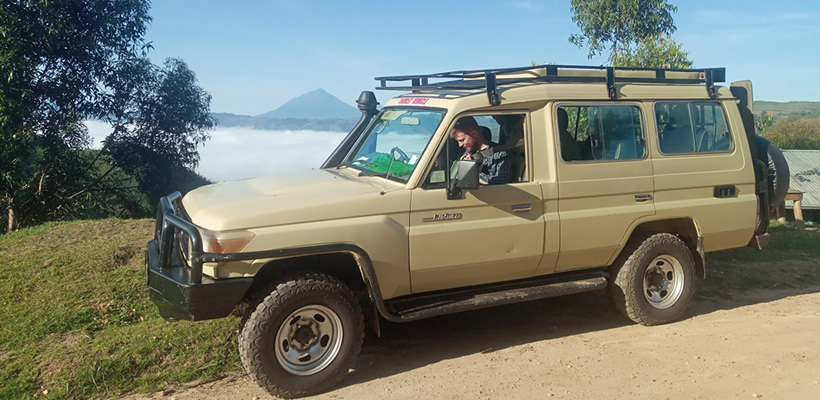
Pop up roof viewing that gives every seat a fair look
A wide pop up roof turns the cabin into a quiet standing deck. Everyone sees the same lion, the same crossing, the same giraffe parade. Cameras brace on the roof edge. Voices drop. You share moments instead of taking turns at a small window. That changes the whole day.
Right tool for ground and rain
A Land Cruiser with correct tread and low range keeps momentum through matope and over humps. Firm brakes and steady suspension reduce fatigue. You use energy on sightings, not on getting unstuck. We adjust pressures and tread to the season so the car works with the ground, not against it.
Gate smart handovers that save the first hour
We deliver at Naabi, Ikoma, Ndabaka, or Sangaiwe when it makes sense. Paperwork stacks in the correct order. You pay, step back in, raise the roof, and roll. That smooth first hour protects the best light and sets the tone for the day. Little wins add up.
Family comfort without chaos
A Land Cruiser Extended gives a real third row, windows for all, and space for snacks and small bags. We add a cooler and USB splitters so phones and cameras stay alive. Kids stand at the roof with supervision when stationary. Parents stop managing seats and start enjoying the view.
Photographers and crews stay organized
We fit beanbags, extra 12V points, an inverter, and lockable drawers on request. The driver moves a meter on cue and holds wheels straight for pans. Self drive still gains order and power all day. Clean horizons and quiet cabins lift your work without a long gear list.
Clear budgets and fewer surprises
We share real fuel averages for typical loops. You approve once with a buffer. We avoid hidden lines and plan swaps fairly. Time saved at the gate turns into time with wildlife, which often feels like the best value of all.
Which safari vehicle should we choose and why
Pick a Land Cruiser Prado, V8, Hardtop, or Extended for true park work. These models carry clearance, low range, and a pop up roof. The Extended adds space for families and crews. A Safari Van suits larger groups on firm ground. RAV4 and Harrier serve lami links up to gates in the dry.
Think about people and gear. Long lenses, coolers, and duffels need order. We help balance seats and storage so no one sits with a bag at their feet. Tell us your parks and dates. We match tread and pressures to the month and route.
Is self drive allowed in Serengeti and Ngorongoro
Yes for confident drivers but this can be challenging. You must respect park rules, stay on marked roads, and keep distance from wildlife. We provide a short script for gates, a map with sensible loops, and etiquette notes for sightings. Many guests still prefer a driver who reads surfaces and positions the car without fuss.
A balanced plan works well. Drive yourself for transfers and quiet loops. Add a driver for crater day or after rain when matope asks for calm inputs. You control style and budget without risk. Karibu to mix both.
How early should we enter and how do we plan the day
Enter as gates open, then move toward productive areas for your season. Pause late morning in shade near water or forest. Lunch at a picnic site. Make a shorter loop in the afternoon and leave with daylight to spare. We give simple loop notes that match your lodge and month.
Early starts protect cool air, soft light, and calm animals. Afternoons reward patience near water and known crossings. The plan feels easy because timing fits the ground and the season. You arrive at camp in a good mood.
What happens if it rains and the track turns muddy
Stop, breathe, and read the surface. Black cotton soil often firms with a short wait. A Land Cruiser with proper tread and measured throttle keeps momentum. Avoid spinning wheels. Choose lines with texture. If a section pools, we share a detour that holds better after showers.
If conditions worsen, we can adjust your route or swap vehicles. The aim is a day that still works. Safety beats drama. Your coordinator stays close by phone and keeps updates short and useful.
Do you deliver at gates and airstrips, and how does that work
Yes. We meet at Naabi, Ikoma, Ndabaka, Sangaiwe, Seronera, Kogatende, Lobo, or Ndutu. We arrive early, complete the walk around, confirm tools and roof latches, and hand you the keys. Returns follow the same calm steps. If you fly into Wilson or JRO, we align city cars at the other end.
Gate handovers protect golden hours and reduce backtracking. Airstrip swaps save hours when programs run tight. Bags move once. Handover takes minutes. Your day remains one clean line.
What about park fees, payments, and receipts
Park and conservation fees are separate from rental. We explain accepted payment methods and the order of steps at each gate. Keep receipts for exit checks. With a driver, the process happens quietly. With self drive, your one page checklist keeps the counter visit short and correct.
We remind you to top up fuel and water before you queue. Fewer stops later means more sightings when the light turns kind. Small habits protect time.
Can you provide child seats, coolers, and power for cameras
Yes. We fit proper child seats by age, add a cooler, and install extra 12V points or an inverter on request. We also include a phone mount and USB splitters. These simple items reduce clutter and keep everyone comfortable. A tidy cabin supports patience, which supports better sightings.
Tell us what you carry. We can add lockable drawers for lenses and hard drives. Order equals calm. Calm equals better photos.
Are tsetse flies a problem and how do we handle them
Some woodland pockets have tsetse. Wear neutral colors, avoid strong scents, and pass known patches with windows closed. Our drivers read those zones and adjust. Self drive guests receive a two minute brief and map notes. The aim is to keep irritation low and the day pleasant.
Tsetse patches often sit in narrow belts. Once through, open the roof again, breathe, and continue. Preparation turns a worry into a non issue.
What if we get stuck or have a mechanical issue
First, try calm recovery steps that we brief at handover. Many stalls resolve with better line choice and light throttle. If you need help, call your coordinator. We dispatch support or swap vehicles depending on location. Every unit carries a spare, jack, triangle, and basic tools. You are not alone. Tupo pamoja.
We maintain core models and carry common parts to reduce waiting. Prevention helps most. Correct tires, pressures, and pacing avoid the situations that cause calls.
How do we budget for fuel and what drives cost
Fuel depends on route, stop and go behavior, tire pressures, and how much idle time you spend at sightings. We share typical averages for Tarangire loops, crater day, central Serengeti, western corridor, and Ruaha river drives. You approve once with a buffer. Later the invoice looks familiar.
Smooth driving saves fuel and nerves. Early starts and tidy loops beat long zigzags. We help you build a plan that reduces wasted kilometers and keeps energy for the view.
Safari car hire should make wild places feel close and simple. The right 4×4, a pop up roof, steady tires, and clear timing turn famous names into your own quiet memories.
With Car Rental Tanzania, you choose self drive or a professional driver, gate or hotel delivery, and the exact model for your route and month. We prepare the vehicle, share checklists and loop notes, and stay close when weather or sightings change your day.
To reserve Safari Car Hire Rental, share your dates, parks, pickup and drop points, passenger count, and luggage plan. Tell us if you want a Land Cruiser Hardtop, Prado, V8, or Extended with pop up roof, a Safari Van for groups, or a RAV4 for city legs. Choose self drive or with driver.
We confirm availability, send a clear quote with insurance options, and request a small booking deposit. You pay by card or mobile money. On the day, meet us at your chosen point. Your vehicle will be clean, fueled, and ready for the first track.