Tanzania Safe Driving Tips | Practical City, Highway, and Park Advice
Safe driving in Tanzania is mostly about respect for people and patience with the road. Surfaces change from smooth tarmac to murram within minutes. Dala dalas pull in and out often. Boda bodas appear from edges. Wildlife crosses at dusk. If you accept that rhythm and plan for daylight, you will enjoy the journey and arrive calm.
We drive these roads daily, so we share what works and how you can be safer and keep others safe too. Short briefings is important before you hold the car keys here. Set a steady pace. Read the edges. Leave space for surprises. Small choices, like topping up fuel early, using simple greetings at checkpoints, and avoiding last second overtakes, protect the day. In Swahili we say pole pole when we want a measured pace. That mindset is your best tool.
You will meet kind people on the way. Greet first. Signal early. Thank attendants and guards with a quick asante. Use common sense with valuables and parking, and choose watched bays at night. Tanzania rewards drivers who keep order and show courtesy.
Before you start
Check tires, including the spare and basic functionality of your vehicle. Confirm jack and triangle. Set mirrors and seat height. Pack water, tissues, a phone mount, and charging. Keep license, insurance, and vehicle papers together. Share your route with someone. If rain sits over your corridor, allow extra time and reduce distance.
Plan daylight. Enter towns by late afternoon. Night driving increases risk around villages, livestock, and unlit parked trucks. If you must finish after dark, cut speed, keep longer gaps, and avoid unfamiliar shortcuts.
City driving tips
Dar es Salaam, Arusha, Mwanza, and Dodoma pulse around school times and markets. Expect tight merges near dala dala stops and quick lane changes near junctions. Use calm indicators. Do not squeeze into tiny gaps. Keep both hands on the wheel. At roundabouts, yield to traffic already inside. Take your turn with a clear signal and steady throttle.
Watch for pedestrians at zebra crossings and near schools and slow down. Slow to a walking pace in front of buses that are loading. Speed bumps appear in clusters. Approach straight, brake early, and roll over gently. A patient approach saves your suspension and keeps passengers comfortable.
Highways and intercity links
Set a steady speed and keep safe following distances. Overtake only when you can complete the pass without any doubt. If a truck signals left and slows where the road is clear, it often means you can pass. Do not rely on this when visibility is poor. Use your own judgment.
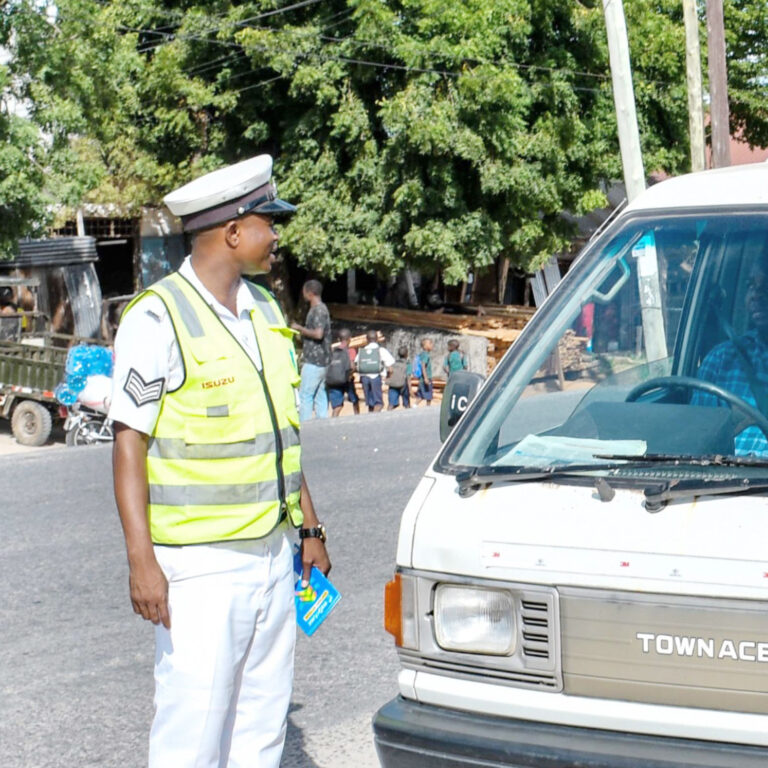
Expect police checkpoints near towns. Greet politely. Lower your window. Present documents when asked. Seat belts on for all seats. Children in appropriate seats. Keep headlights and tail lights working. A neat car and a calm driver move through stops faster.
Rural roads and wildlife corridors
Many approaches to parks and villages use murram that turns to vumbi in the dry and matope after rain. Reduce speed to smooth corrugations. Avoid sudden steering inputs. When you see livestock near the road, release throttle and prepare to stop. Animals often follow one another.
Wildlife corridors near Tarangire, Manyara, Ngorongoro, Serengeti, Ruaha, and Nyerere demand patience at dawn and dusk. If a herd crosses, stop and wait. Never crowd animals with the horn or lights. Keep windows partly up in areas with tsetse. Neutral colors and closed windows help in tsetse patches.
Weather and season sense
Short rains can transform grip within minutes. After the first shower, a glossy layer forms on black cotton soil. Waiting ten minutes often restores traction as the surface firms. Use gentle throttle. Keep momentum through soft patches without spinning wheels. In long dry spells, dust reduces visibility. Increase gaps and let dust settle before overtaking.
Storms slow traffic and hide potholes. Switch headlights on. Avoid flooded shoulders. If wipers struggle, stop at a safe bay and wait. You lose a few minutes and gain peace.
Checkpoints, etiquette, and documents
Say habari or shikamoo to greet. Keep your hands visible. Provide license, insurance, and registration when asked. If you receive a traffic notice, you will pay through official channels later, not by cash at the window.
Photocopy the paper and keep it safe. Remain polite even when you disagree. The roadside is not the place for a long argument.
In parks and conservation areas, follow posted limits, stay on marked roads, and keep distance from animals. Pop up roof use is for stationary viewing. Share sighting space with other vehicles. Soft voices protect the moment.
Overtaking, roundabouts, and humps
Only pass when you can see far ahead. Do not overtake on humps, bends, or near junctions. Use indicators, check mirrors, and complete the pass with steady input. At roundabouts, take the lane you need early. Inside the circle, hold your line. Exit with a clear signal and a small check for motorcycles on your right.
Speed bumps come in sets. Some sit before schools and clinics, others at village entries. Reduce speed early. Heavy braking near a hump can cause a rear-end bump from an impatient driver behind you. Smooth driving keeps everyone relaxed.
Parking and security
Park in watched bays when possible. Tip attendants politely. Do not leave bags visible. Lock doors and windows. At night, choose lit areas near entrances. In hotels and malls, follow guards’ directions. Keep your keys in a consistent pocket or pouch to avoid a last minute scramble.
If someone offers unsolicited help with bags, thank them and decline unless you want assistance. A simple asante, nimeshapatikana closes the conversation kindly.
Fuel, cash, and planning
Top up early in the day. Rural pumps sometimes run out late. Carry small cash for short parking and tips. Keep a working mobile wallet for quick payments. In remote zones, ATMs can be far apart, so withdraw in towns before you go. For long legs, carry water, light snacks, and a basic first aid kit.
Emergencies and breakdowns
If the car develops a fault, pull off the road at a safe angle. Switch on hazards. Place the triangle at a sensible distance behind the vehicle. Call your coordinator or your breakdown number. Stay with the car unless you need to reach a safer spot. At night, keep interior lights low to preserve visibility outside.
In a minor incident, exchange details calmly. Photograph positions and damage. Do not block traffic longer than necessary. In any serious situation, call emergency contacts and follow their guidance. Keep documents and medical information accessible.
Useful Swahili for the road
Habari or shikamoo for greetings. Asante for thank you. Tafadhali for please. Pole pole for slow down. Kushoto and kulia for left and right. Nisaidie or naomba msaada for please help me. Stendi for bus station. Kituo for stop. Ask with a smile and people will help.
Responsible driving culture
You set the tone in the cabin. Keep phones out of hands, save calls for safe stops, and model seat belt use. Respect school zones, give cyclists room, and ease off near livestock. Tanzania rewards patience. When you plan daylight arrivals and measure your inputs, you give your passengers a calmer story to tell.